 Starting June 2027
At aTaleier, a story is how a child learns to explore, question and belong.
Our Story-Led Learning Framework, woven into the IB Early Years Programme, transforms stories into experiences children can question, explore, play with and live. The most meaningful learning doesn't happen when children only listen to a story — it happens when they become part of it.
aTaleier follows the IB EYP Framework and embraces children as young as 12 months and turns them into Observers, Wonderers, Dreamers and Creators.
{{ g.age }}
{{ g.curriculum }}
Six connected beliefs turn stories into the thread that connects inquiry, play, creativity, reflection and action — not an occasional classroom activity, but the foundation of learning.
{{ b.line }}
Before the walls at aTaleier were finished, the story already began — in rooms with no furniture, with people we invited to help write it.
aTaleier is supported by the educational legacy of Gems Genesis International School (GGIS), sharing its values, campus proximity and long-term continuity of care as children grow into primary school. Visit GGIS →
Behind every child's story is a community of educators who listen, wonder, inspire and grow alongside them.
{{ minalLeader.bio }}
{{ jahnaviLeader.bio }}
{{ poojaLeader.bio }}
{{ nehaLeader.bio }}
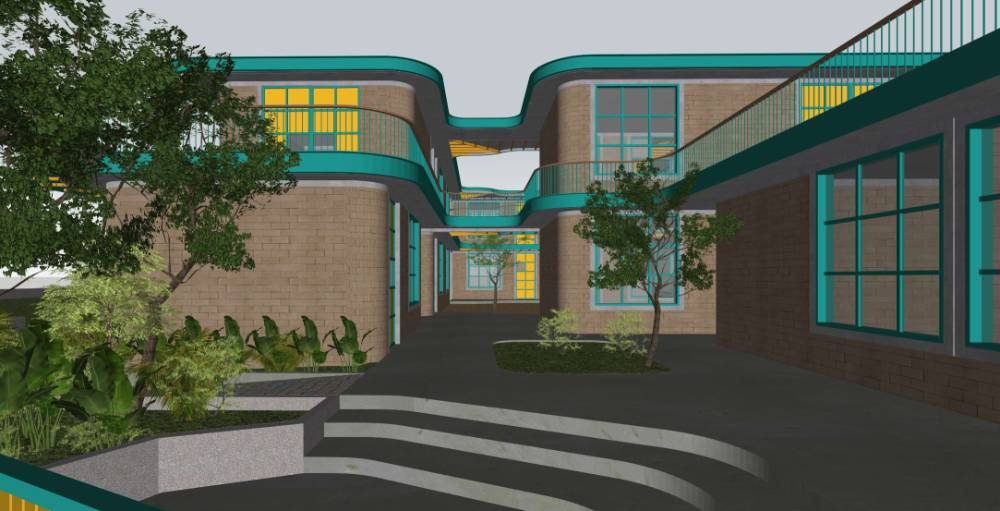
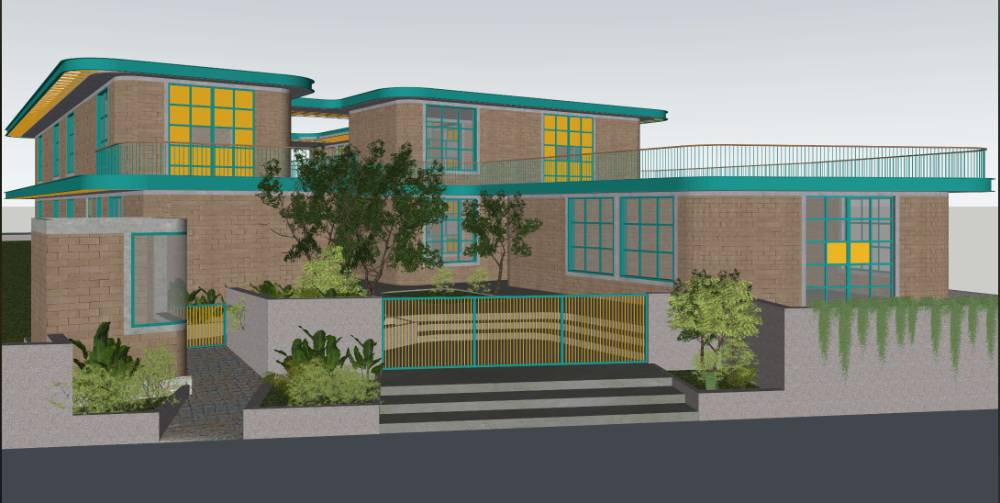
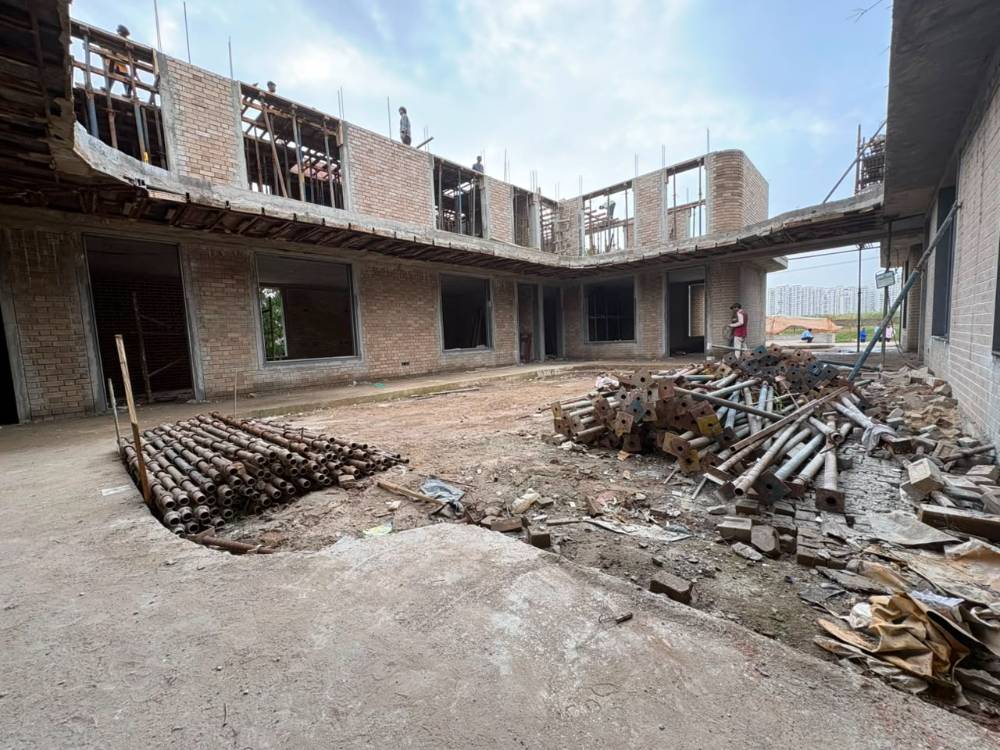
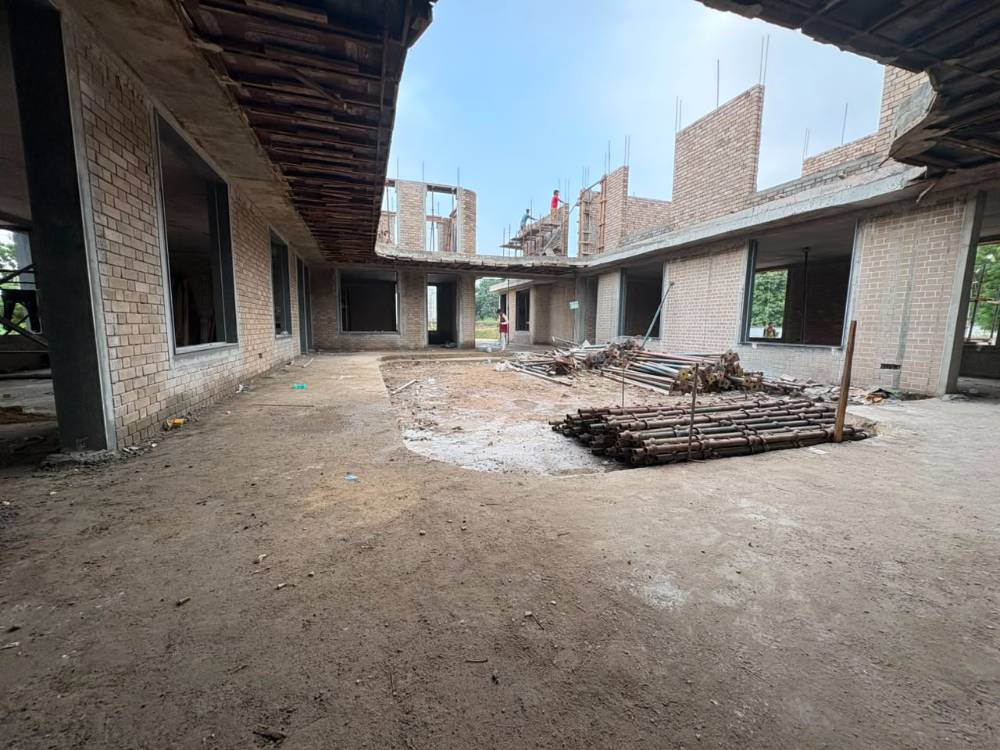
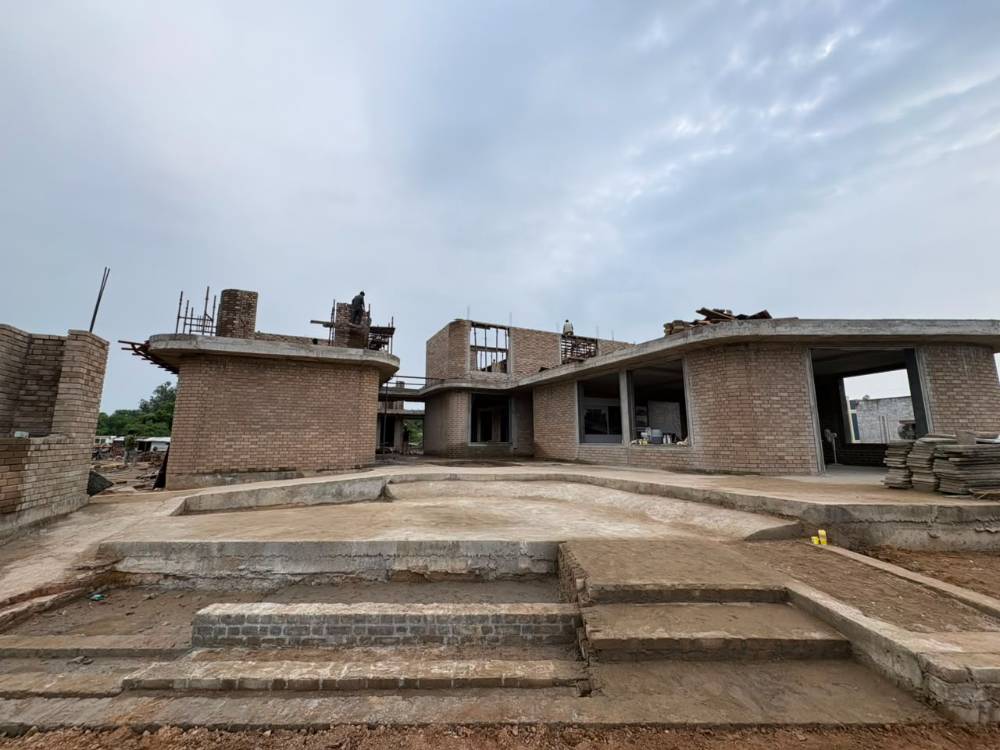
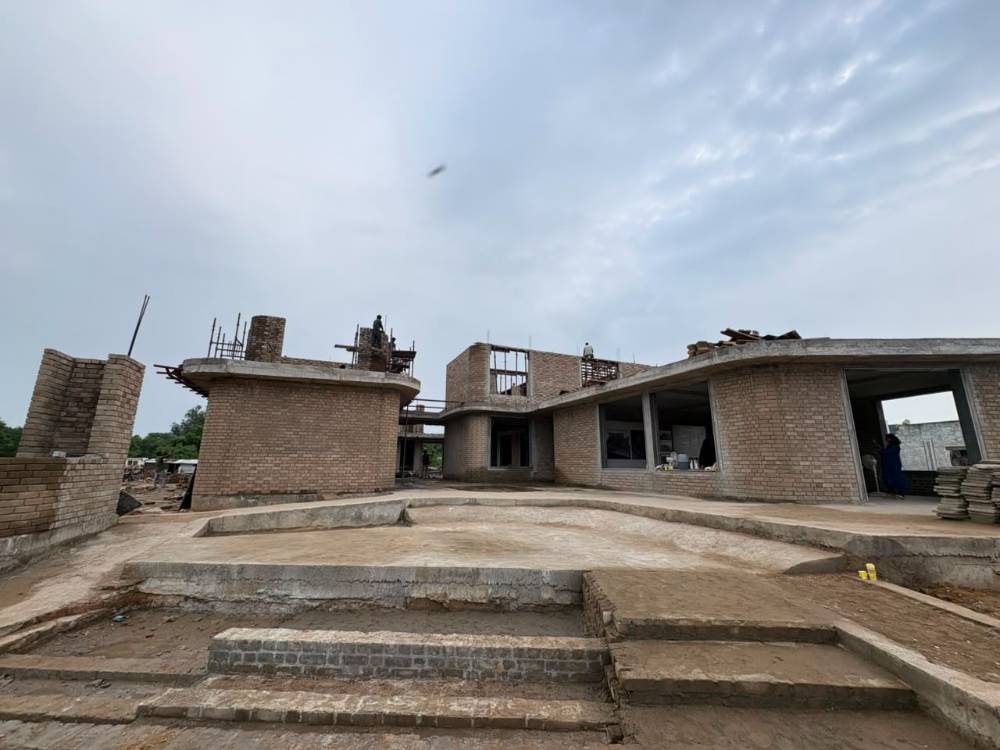
Updated monthly as our campus comes to life.
Before children learn to read, they are already living stories. At aTaleier, these stories become the foundation of learning. Children don't simply hear stories. They live them.
{{ d.lede }}
Before the walls at aTaleier were finished, the story already began — in rooms with no furniture, with people we invited to help write it.
In nineteenth-century Paris, architecture students worked right up to the last minute, then loaded their half-finished drawings onto a handcart — a charrette — to race them to the jury. The latecomers kept sketching as the cart rolled through the streets, work still taking shape in full view of everyone.
aTaleier is being built the same way. The building itself is nearly finished. What happens inside it isn't — so instead of deciding that alone, we've been inviting people in — no notes, no slides, just a childhood memory and an hour and a half — to imagine it with us.
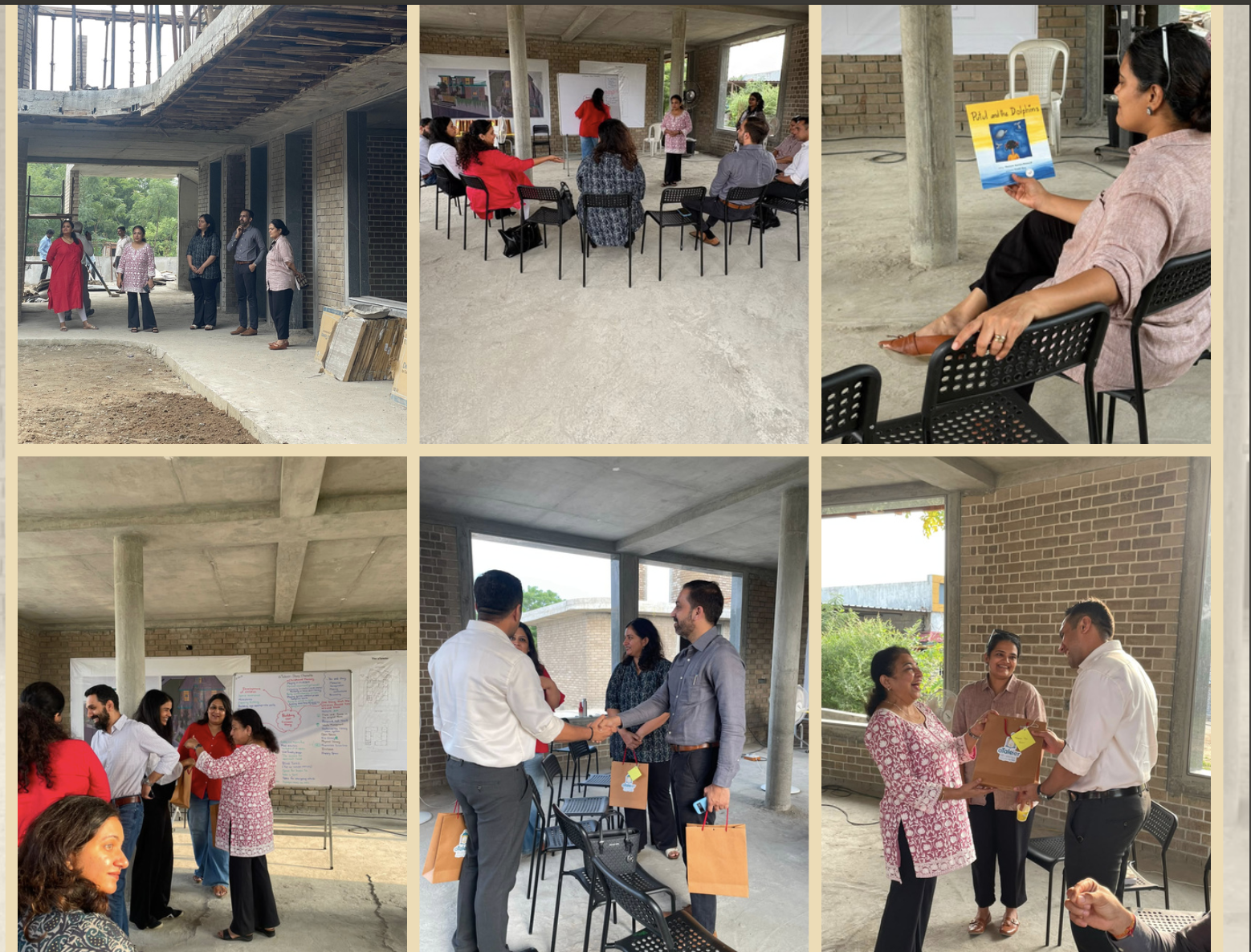
Once upon a Friday, 21st August, a rather interesting group gathered at aTaleier.
A communicator. A pastry chef and former educator. A sports expert. A safety specialist. An early childhood educator. An architect. A parent and trained special educator.
Different professions. Different experiences. One shared invitation: Come, look at aTaleier through your lens.
We began with a walk through the campus — not simply looking at what was there, but imagining what could happen here. What might children discover? Where could they move, play and explore? How could the spaces invite curiosity?
Then we returned to the room, where a simple game was waiting. One person began a story with two sentences. The next person had only one rule: "Yes, and…" Accept the idea. Add to it. Pass it on.
And just like that, a story began to grow. A new character appeared. Then another. A memory became a twist. An ordinary idea became something unexpected.
It reminded us that sometimes, all a story needs is a little imagination, a connection, a memory and the freedom to add your own chapter. Perhaps childhood needs much the same.
What should every child have here?
When we asked that question, the answer kept bringing us back to nature. Not nature as decoration, but as part of the child's everyday world. Trees. Open spaces. Flora and fauna. Mud. Movement. Growing food. Discovering, noticing and responding to the world around them.
The outdoors began to emerge not as an extension of the school, but almost as one of its main characters.
How do we make this freedom safe?
We thought about trained adults, first aid and CPR, security, visibility, access points, emergency preparedness, signage and thoughtful design. Because creating a safe space for children is not about removing every possibility of risk. It is about thinking carefully about the environment so that children can explore with confidence.
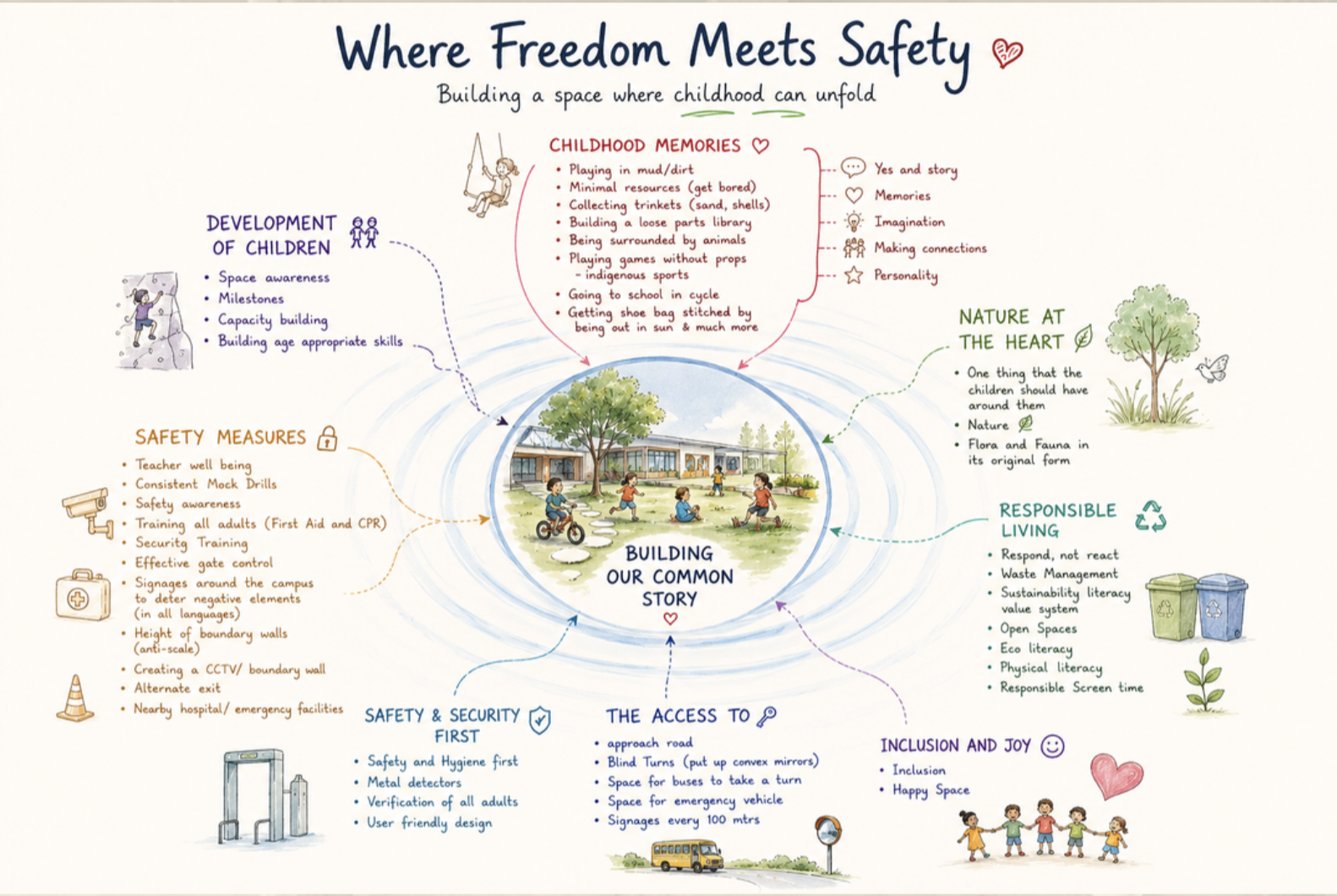
What did we have as children that children today may be missing?
The answers were wonderfully ordinary. Playing with mud. Collecting stones and shells. Building with whatever was around. Making up games without props. Going to school on a cycle. Getting sweaty in the sun. Playing outdoors simply because there was space to play.
These were not structured activities. They were not carefully designed experiences. They were simply childhood. And perhaps some of those ordinary experiences deserve to find their way back.
As the conversation unfolded, the board began to look a little like our "Yes, and…" story. One thought led to another. A possibility raised a challenge. A challenge led us back to the child. A childhood memory became a possibility for the future.
And slowly, different perspectives began to weave themselves into one common story. A place where children can move, imagine, explore, connect and grow. A place where adults think deeply about safety, so children can experience freedom. Where nature is part of learning. Where physical development happens through opportunity. Where play has room to breathe. And where the simple things we remember from childhood can have a place again.
We began with "Yes, and…" Perhaps that is also how aTaleier is being built. Not through one person having all the answers, but through different voices adding to the story and asking: "Yes, and… what else could be possible?"
This was another lens. Another chapter in the story of aTaleier. The story continues.
— Team aTaleier
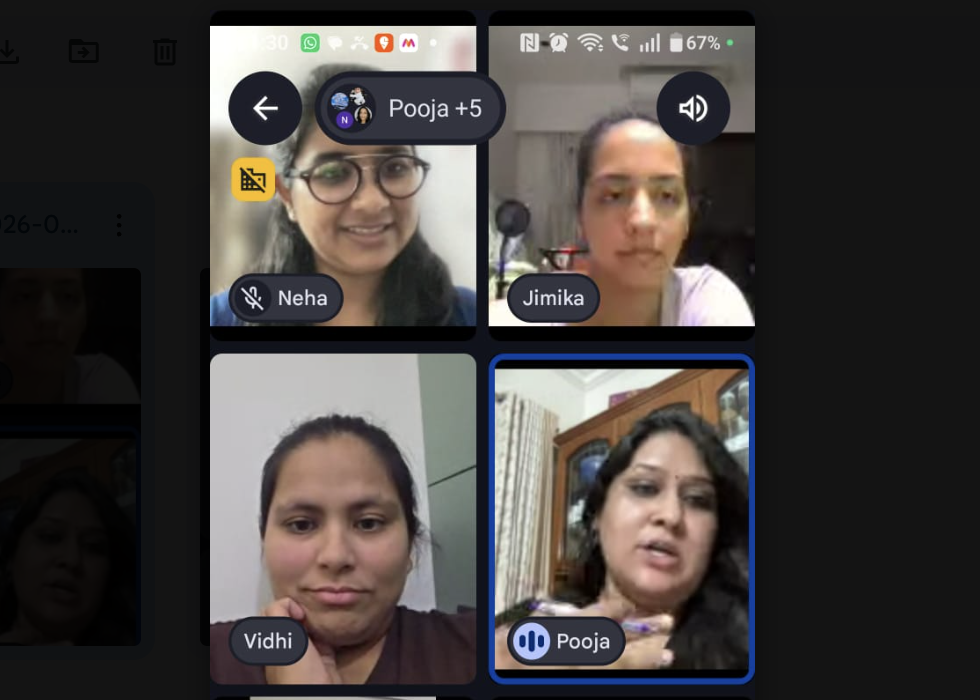
A school search often begins with a brochure. Curriculum. Campus. Facilities. Fees.
But when your child is barely a year old, the real questions are often much simpler: Will my child be happy here? Will they feel safe? What will their day look like? Will they be understood?
For this Story Charrette, we brought together young mothers from Mumbai, Dubai and Ahmedabad to step beyond the brochure and share what they would want school to feel like for their children.
For some, the search had started much earlier than expected. Information was everywhere, opinions were everywhere, and there was an unspoken pressure to start looking early and make the right choice. For others, having an older child had already taught them what they wanted — and what they didn't. Different journeys. Similar questions.
What happens to my child once they walk through the school gates?
Beyond what children learn
The mothers spoke about wanting children to do, explore and experience. Cooking. Creating. Being outdoors. Playing freely. Learning through practical experiences rather than simply being told how something works. They wanted holistic learning, but wanted to know what that actually looked like on an ordinary day.
Where is the free play? How much time is spent outdoors? What happens when a child isn't ready to sit? How is a meltdown handled? How does a teacher respond when a child needs more time?
The conversation made something clear: parents are not only choosing a curriculum. They are choosing a childhood experience.
Safe enough to explore
Safety was non-negotiable. But the mothers were speaking about more than physical safety — happiness, trust, relationships and emotional security. They wanted to know how teachers would respond when a child cried, struggled or behaved unexpectedly, and to understand teacher-child ratios and the everyday interactions that shape how a child feels at school.
Because the question beneath all of these was perhaps the most important one: Will my child feel known here?
And alongside safety came independence. Many reflected on how children are naturally protected and helped with almost everything at home. School can offer something different — a space to try, make mistakes, negotiate, make friends and slowly learn to do things for themselves. From "Let me help you" to "Let me try."
A childhood rooted in its own story
The mothers spoke about wanting children to experience Indian stories, languages, food, festivals and traditions as part of everyday life — not simply celebrating a festival once a year, but experiencing the stories, rituals and traditions that make it meaningful. Not choosing between being Indian and being global, but giving children roots from which they can reach outward. To know where they come from. To be curious about where they can go.
And then came the smaller questions. Outdoor play. Screen exposure. Cleanliness. Teacher interactions. The language adults use with children. The expectations we quietly place on them. Even the rhymes and stories we repeat. These may seem like details. But for a young child, these details are the day.
A teacher kneeling down to listen. A child being given time instead of being hurried. A chance to run, climb, make something, make a mess or simply be. A moment when a child realises, "I can do this myself." These are the moments that shape how school is remembered.
By the end of the conversation, a shared picture began to emerge. The mothers were not simply looking for a school with a good curriculum or beautiful spaces. They were looking for a place where their children could be: safe, seen, curious, independent, rooted and happy. A place where play belongs. Where learning goes beyond books. Where culture is lived. Where teachers are partners.
Three cities. Different experiences. One underlying question: "What kind of childhood will this school make possible?"
Perhaps that is what happens when we look beyond the brochure. We stop asking what a school offers — and begin asking what it makes possible.
This was another lens. Another chapter in the story of aTaleier. The story continues.
— Team aTaleier
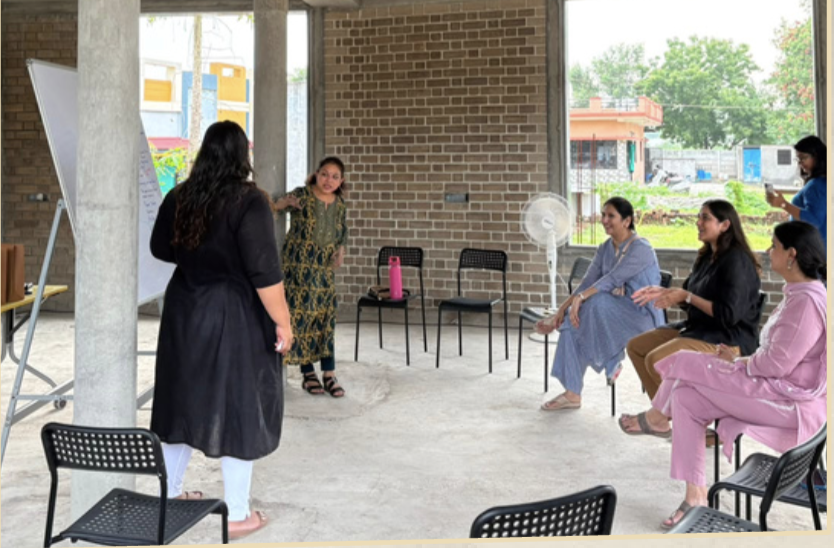
Once upon a Thursday, 13th August, we walked through aTaleier. The building is still taking shape, but this time we weren't looking at what was there. We were looking at what could be.
As we moved through the spaces, we imagined them through the eyes of children. What could happen here? Where could children explore? Where could stories unfold? How could the outdoors become part of everyday learning? Everyone saw something different.
We then returned to the room, where a few simple objects were waiting on the chairs. A leaf. A mirror. Pebbles. A magnifying glass. Blocks. Pine cones. Each participant picked one. There was no preparation. Just an invitation: Pick an object. Tell us a story.
And the stories came. A simple object became a doorway into imagination. The leaf became a shy, blushing character who turned his perceived weakness into his strength. A pebble became the strong one, standing tall to protect his family. The magnifying glass opened the door to a mysterious story that left us at a cliffhanger. The mirror discovered its purpose: to make people smile. And the pine cone brought back warm memories of Christmas.
Possibilities
Back in the spaces, our thinking began to stretch. What if the outdoors wasn't simply an extension of the classroom, but the main character of the space? Nature trails. Growing food. Mud days. Kitchens. Puppet theatres. Sprinklers. Open-ended terraces. Spaces to discover, create and simply be. But imagination also brings responsibility.
Challenges
What could get in the way? Mosquitoes. Snakes. Rats. Safety. How do we make outdoor spaces easily accessible while balancing exploration with focused learning? How do we prepare children for their transition to Grade 1? And how do we create a culture where curiosity is encouraged without becoming entitlement?
Because designing for children isn't only about asking what we can create. It is also about asking what we need to think about before we create it.
What should we bring back?
Our conversation then took us somewhere more personal: childhood. We heard stories of traditional recipes made together, ghar ghar and make-believe worlds, unstructured outdoor play, cherished rituals and pretend play. Simple experiences that, years later, become extraordinary memories.
And we began to wonder: what from our childhood deserves to be brought back? Not to recreate the past, but to bring forward what those experiences gave us — imagination, freedom, connection, independence and belonging. Cooking together. Getting messy. Playing outdoors without an agenda. Creating imaginary worlds. Growing food. Making things with our hands. Having rituals children can call their own.
Stories in the software
Then we looked beyond the physical spaces. Because a story doesn't only live in a classroom. It can live in the way a child enters, the way a teacher welcomes them, the way a parent becomes part of the journey, and the way a process unfolds.
We began asking: what stories can live in the software of aTaleier? Could our processes have stories? Could every child's journey have narrative entry points? Could parent stories become part of the school's story? We were no longer just designing spaces. We were designing the experience of being at aTaleier.
And then came the names
Finally, we came to something deceptively simple: what do we call all of this? Because names matter. A room can simply be a room — or its name can tell a child what might happen there. So we looked for names that felt simple, memorable, and true to the world we are creating. And slowly, the board began to reveal a journey: Possibility → Challenge → Memory → Story → Meaning.
Perhaps that is what Through Your Lens really means. There is no single way to see aTaleier. There is the lens of childhood. The lens of nature. The lens of story. The lens of design. The lens of practicality. And, always, the lens we must return to: the child's.
aTaleier will not be shaped by one big idea. It will be woven from the memories, questions, perspectives and possibilities of people willing to look at childhood differently.
This was our third chapter. The story continues — through every lens we bring to it.
— Team aTaleier
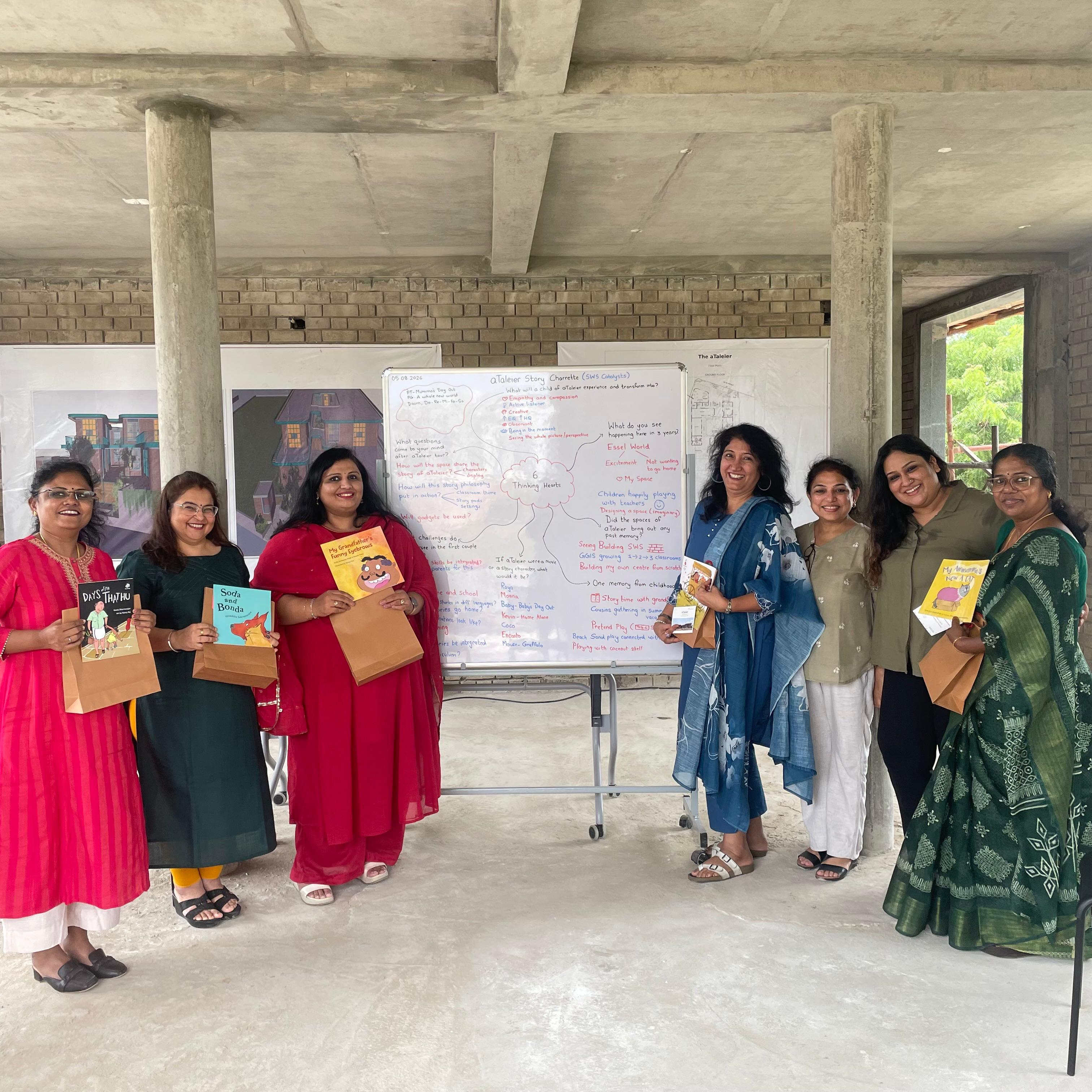
Once upon a Tuesday, 5th August, six thinking hearts gathered inside the walls of aTaleier. The building was quiet. Bare brick walls. Open rooms. Echoes instead of laughter.
But this time, we arrived carrying something different.
Not memories. Questions.
The kind of questions that don't ask what a school should look like, but who a school should help children become.
As the conversations unfolded, we realised something beautiful. Each of us had walked into the room carrying a different piece of the puzzle.
One heart kept returning to the space. How will these walls tell stories?
Another was thinking about the child. What will a child of aTaleier experience... and transform into?
Another was thinking about parents. How will stories travel beyond the school and into homes?
There were questions about teachers, curriculum, imagination, belonging and the years ahead.
Different lenses. Different questions. Different ways of seeing.
Yet, slowly, they began finding one another. The conversation was no longer simply about classrooms.
It was about empathy. About active listening. About creativity. About being observant enough to notice what others might miss. About helping children see not just the world in front of them, but the many perspectives within it.
And then, at one point, we asked ourselves a rather unexpected question:
"If aTaleier were a movie character, who would it be?"
The room came alive.
Moana. Raya. Baby's Day Out. Coco. The Gruffalo.
Every answer revealed something about the school we hope to become.
Curious. Brave. Joyful. Resilient. Always ready for the next adventure.
Then we imagined ourselves three years into the future. For a moment, the building around us disappeared.
In its place, we could almost hear children laughing with their teachers. Stories spilling from classrooms into corridors. Parents lingering a little longer because they felt they belonged too.
A child turning to a parent at the end of the day and saying, "Can we stay a little longer?"
And perhaps that was the moment we realised what this Charrette had really been about.
We hadn't gathered to find the perfect answers. We had gathered to ask the questions worth building a school around.
Because schools aren't shaped by bricks alone. They are shaped by conversations, curiosity and people willing to think together before they build.
As we left, the building was still taking shape. But somehow, the rooms no longer felt blank. Every question asked that afternoon had quietly found its place within those walls.
And six thinking hearts had become one shared story.
This was our second chapter. The story of aTaleier continues to grow — one conversation, one question, and one thinking heart at a time.
— Team aTaleier
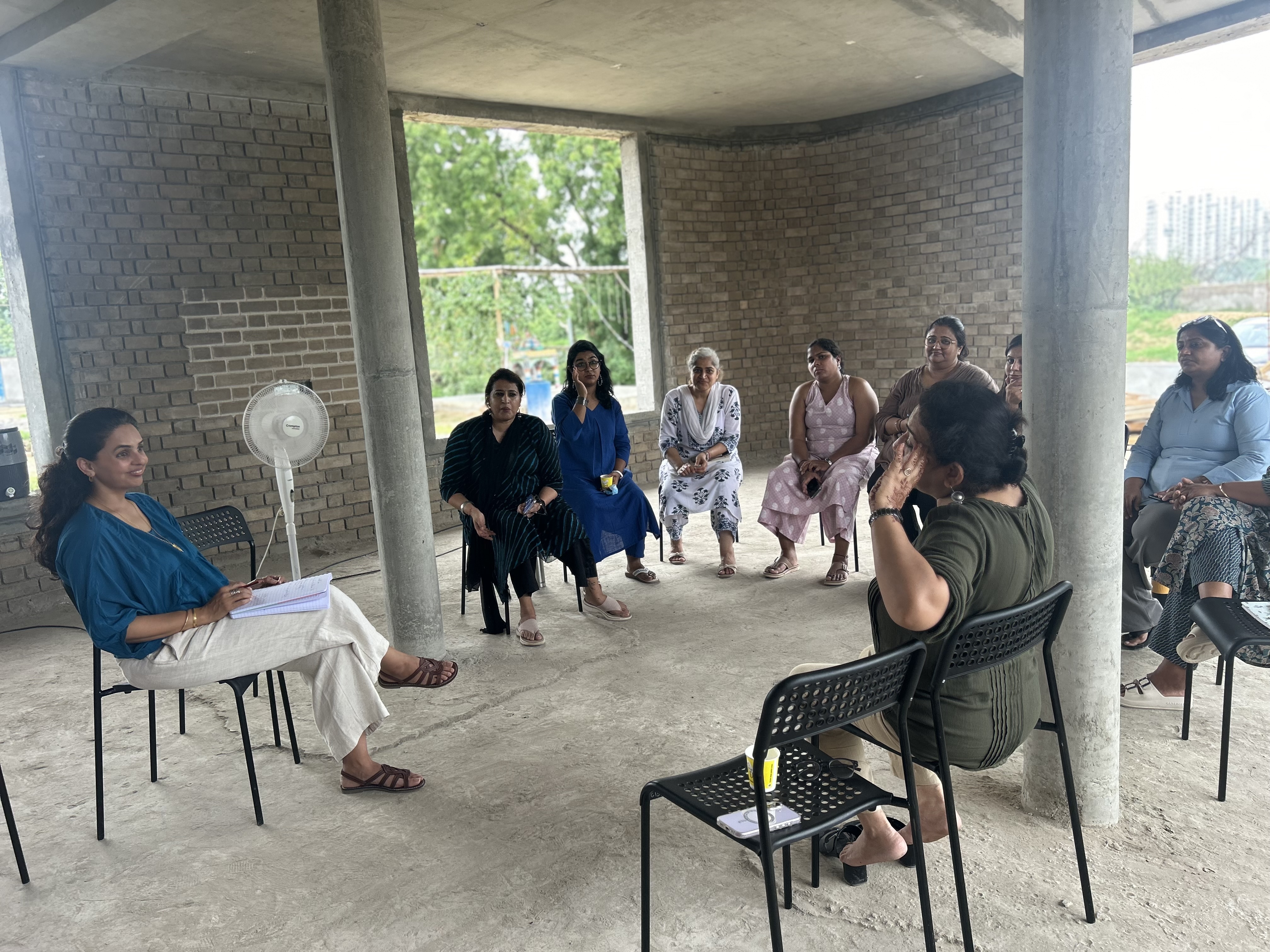
Once upon a Wednesday, 22nd July, we gathered inside a building that is still under construction. There were no colourful classrooms, no carefully curated learning corners, no furniture — just brick walls, open spaces, and a single question waiting to be explored.
"What from your childhood has stayed with you all these years?"
The answers arrived one story at a time.
Someone remembered climbing a tamarind tree.
Someone smiled while recalling the taste of mangoes and imli shared with friends.
Another spoke about the sound of walking on gravel after the rain.
There were stories of muddy hands, chalk-covered streets, pretend play, wheelbarrows, puddles waiting to be discovered, mattresses spread across the floor, sitting beneath trees, lunch breaks that never seemed long enough, and playgrounds where imagination had no boundaries.
At first, these felt like fragments of different childhoods.
A tree. A puddle. A playground. A lunch break. A handful of chalk.
None of them seemed connected.
Until we paused and asked ourselves,
"Why do these memories still stay with us?"
The room grew quieter.
Slowly, we realised we weren't remembering places.
We were remembering how those places made us feel.
We remembered the freedom to explore. The joy of getting messy. The comfort of belonging. The thrill of taking risks. The calm of sitting beneath a tree. The excitement of creating something from nothing. The confidence that came from being trusted.
And perhaps our biggest insight emerged almost unnoticed.
Not one person spoke about smart classrooms, expensive furniture, or impressive buildings. Because childhood isn't remembered through facilities.
It is remembered through feelings.
That afternoon, our conversation quietly shifted.
We stopped asking, "What should a preschool have?"
And began asking, "What should childhood feel like?"
Every memory transformed into a new design question.
Where can children climb until they feel brave? Where will they discover nature every single day? What spaces will invite imagination rather than instruct it? How do we create moments that children will still remember twenty years from now?
By the time we left, we realised we hadn't spent the afternoon collecting ideas for a preschool. We had spent it uncovering the essence of childhood.
The building around us is still unfinished. The walls are yet to be finished. The classrooms are yet to be furnished.
But because of your stories, its soul has already begun to take shape.
Thank you for lending us your childhood.
One day, the children who walk through the doors of aTaleier may never know your names. But they will climb the structures inspired by your adventures. They will pause beneath trees because you remembered their shade. They will splash in puddles, create stories, build friendships, and discover corners that make them feel at home — reminding us adults that those things that look like bugs to adults are features to our young ones!
And perhaps, years from now, when someone asks them, "What do you remember most about your childhood?" — aTaleier will quietly become part of their story.
This was only the first chapter. The story of aTaleier has just begun.
— Team aTaleier